How to Generate AI Art for Commercial Use Legally
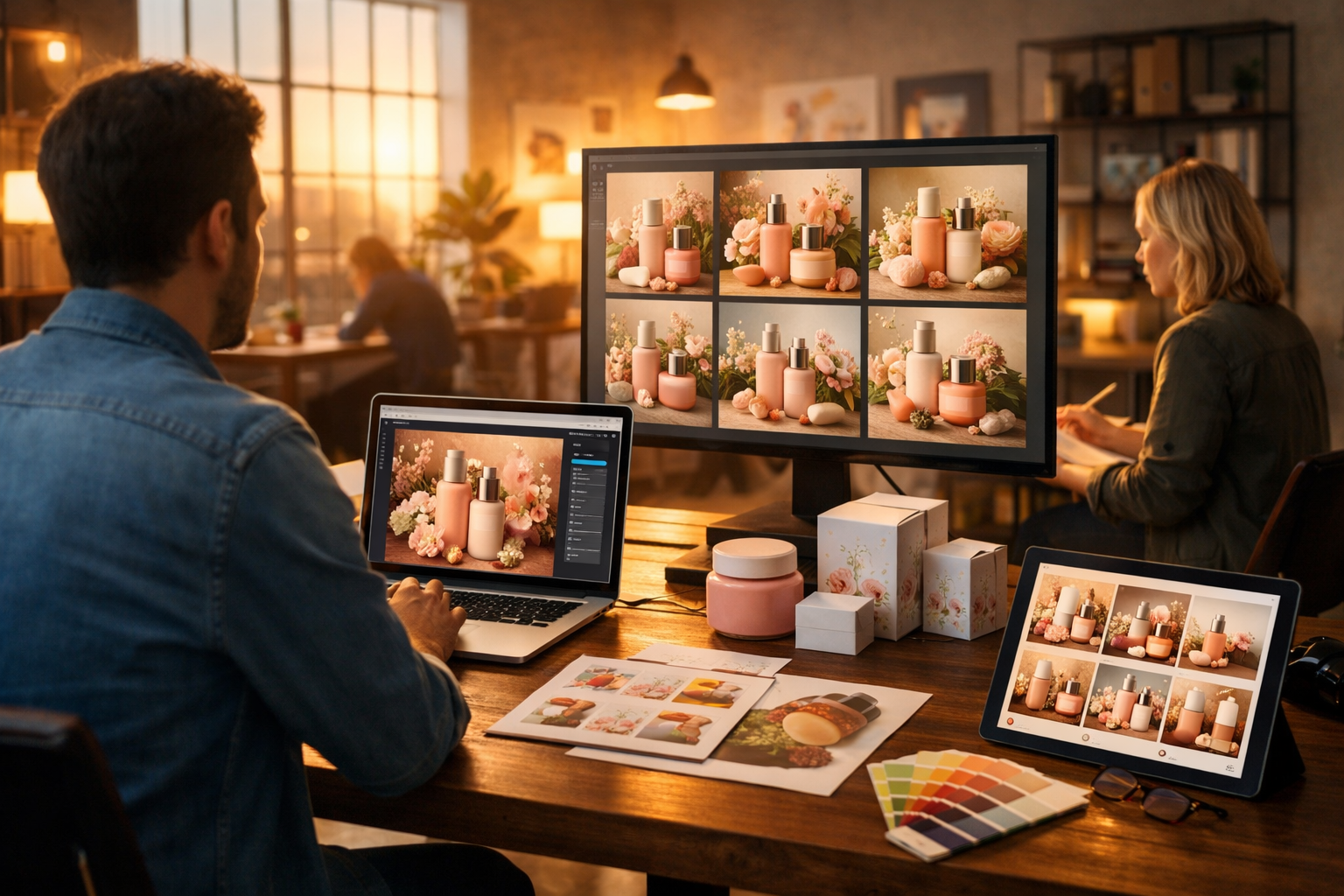
AI art is transforming how businesses create visuals. From product images and social media graphics to website banners and advertising campaigns, artificial intelligence now enables anyone to produce professional artwork in minutes. But if you plan to sell products, run paid ads, or use AI-generated visuals in client work, you must understand how to generate AI art for commercial use legally and strategically. This guide explains exactly how to do it — without risking copyright issues or brand damage.
What Does “Commercial Use” Actually Mean?
Commercial use refers to any situation where AI-generated art contributes to revenue, brand growth, or business activity. This includes direct sales and indirect marketing efforts.
Examples of commercial use include:
- Using AI art in paid advertising campaigns
- Selling prints, merchandise, or digital downloads
- Designing product packaging
- Website banners and landing page graphics
- Client work for agencies or freelancers
- YouTube thumbnails or monetised content visuals
If money is involved — directly or indirectly — you are using AI art commercially. That means licensing and originality matter.
Step 1: Choose an AI Tool That Allows Commercial Use
The most important step is selecting a platform that explicitly grants commercial rights. Not all AI generators do.
When reviewing a tool, check:
- Terms of service for commercial usage rights
- Whether you retain ownership of generated images
- Any attribution requirements
- Restrictions on resale or redistribution
Gen AI Last allows users to create AI-generated images for business purposes, making it suitable for startups, marketers, and agencies. With full creative access from view pricing from $10/month, even small teams can produce commercial-ready visuals affordably.
Step 2: Avoid Copyright and Trademark Risks
Generating AI art commercially requires careful prompt design. The biggest legal risk comes from creating images that closely resemble copyrighted characters, brand logos, or living artists’ styles.
What to Avoid
- Using brand names (e.g. "Nike logo style poster")
- Requesting copyrighted characters (e.g. "Marvel superhero")
- Imitating a specific living artist’s signature style
- Generating celebrity likenesses without permission
Even if an AI tool produces the image, you remain responsible for how it’s used commercially.
Safer Prompt Alternatives
Instead of referencing specific brands or artists, describe the visual qualities you want:
- “Minimalist athletic logo with bold typography and clean lines”
- “Comic-style hero character with vibrant colours and dynamic pose”
- “Luxury fashion campaign aesthetic, soft lighting, high contrast”
Focus on mood, lighting, composition, textures, and colours — not copyrighted references.
Step 3: Create High-Quality, Unique Prompts
If you want AI art that performs commercially, generic prompts are not enough. Strong prompts produce distinctive visuals that differentiate your brand.
Commercial Prompt Formula
Use this structure:
- Subject – What is being shown?
- Context – Where is it placed?
- Style – Photorealistic, illustration, cinematic?
- Lighting – Golden hour, studio light, neon glow?
- Camera details – 35mm lens, shallow depth of field?
- Commercial intent – Product photography, social media ad, website banner?
Example: “Premium organic skincare bottle on marble bathroom counter, soft natural morning light, photorealistic product photography, shallow depth of field, high-end beauty advertisement aesthetic.”
This level of detail increases originality and reduces the risk of unintended similarity.
Step 4: Refine and Edit Before Publishing
Never use AI art commercially without reviewing and refining it. Treat AI output as a starting point.
Before publishing:
- Check for distorted hands, faces, or text artefacts
- Ensure no hidden brand references appear
- Upscale for high-resolution print use
- Adjust colours to match brand guidelines
- Add your own design elements for originality
For example, you might generate a base image using AI, then overlay custom typography and layout design. This hybrid approach increases uniqueness and brand alignment.
Step 5: Understand Ownership and Licensing
Ownership rules around AI art are evolving. In many regions, copyright protection may depend on the level of human creative input.
Best practices include:
- Documenting your prompt process
- Saving iterative drafts
- Adding manual edits or compositing work
- Combining AI-generated elements with original photography
The more creative direction and editing you contribute, the stronger your claim to ownership.
Commercial Use Cases for AI Art
1. E-commerce Product Visuals
Startups can generate lifestyle product scenes without renting studios. For example, a coffee brand can create cosy kitchen environments to showcase packaging.
2. Social Media Advertising
AI art enables rapid A/B testing of creative concepts. Generate multiple backgrounds, angles, and colour variations for higher conversion rates.
3. Blog and Website Graphics
Custom visuals improve SEO engagement metrics. Unique AI images reduce reliance on stock photography that competitors may also use.
4. Print-on-Demand Merchandise
Artists and entrepreneurs can design t-shirts, posters, and phone cases. Just ensure designs are original and not derivative.
Integrating AI Art Into a Full Marketing Strategy
AI art works best when integrated into a broader content system. Instead of generating standalone images, connect visuals with text, video, and audio.
For example:
- Generate product visuals using AI Image tools
- Create ad copy using AI Text generation
- Produce a short promotional reel with AI Video tools
- Add voice-over using AI Audio narration
Gen AI Last combines all these features inside our AI content tools, enabling businesses to maintain visual and messaging consistency without juggling multiple subscriptions.
Common Mistakes to Avoid
- Using AI art without checking terms – Always confirm commercial rights.
- Publishing unedited outputs – Polish matters for brand credibility.
- Copying trending prompts – This reduces uniqueness.
- Ignoring brand consistency – Define colour palettes and style guides.
- Over-relying on automation – Human direction improves results.
A Practical Workflow for Small Businesses
Here is a simple commercial workflow:
- Define campaign objective (sales, awareness, launch)
- Outline brand visual guidelines
- Generate multiple AI image concepts
- Refine and upscale selected images
- Add typography and brand elements
- Integrate into ads, emails, and landing pages
- Track performance and optimise creatives
This structured approach ensures AI art contributes directly to measurable business outcomes.
Why Affordability Matters for Commercial AI Art
Traditional design services can cost hundreds or thousands per campaign. AI art dramatically lowers production costs, making professional visuals accessible to startups.
With Gen AI Last, businesses gain access to image, text, video, and audio generation in one platform. Instead of hiring multiple freelancers, you can prototype campaigns internally and scale what works. If you are ready to experiment, you can start creating for free and test commercial-ready visuals before committing.
Final Thoughts: Create Responsibly and Strategically
Learning how to generate AI art for commercial use is not just about clicking “create”. It involves understanding licensing, crafting original prompts, refining outputs, and aligning visuals with business goals.
When used responsibly, AI art becomes a competitive advantage. It allows small teams to produce studio-quality visuals, test creative ideas quickly, and scale marketing campaigns efficiently. By combining legal awareness with strategic creativity, you can confidently use AI-generated art in products, advertising, and client work — without unnecessary risk.
The future of commercial design is not fully automated — it is human-directed AI. Master that balance, and your brand will stand out.
Ready to Create with Generative AI?
Join thousands of creators using Gen AI Last to generate text, images, audio, and video — all from one platform. Start your 7-day free trial today.
Start Free — Try 7 DaysQuick Links
Create AI content from $10/month
View Plans